EDUCATE
embracing diversity

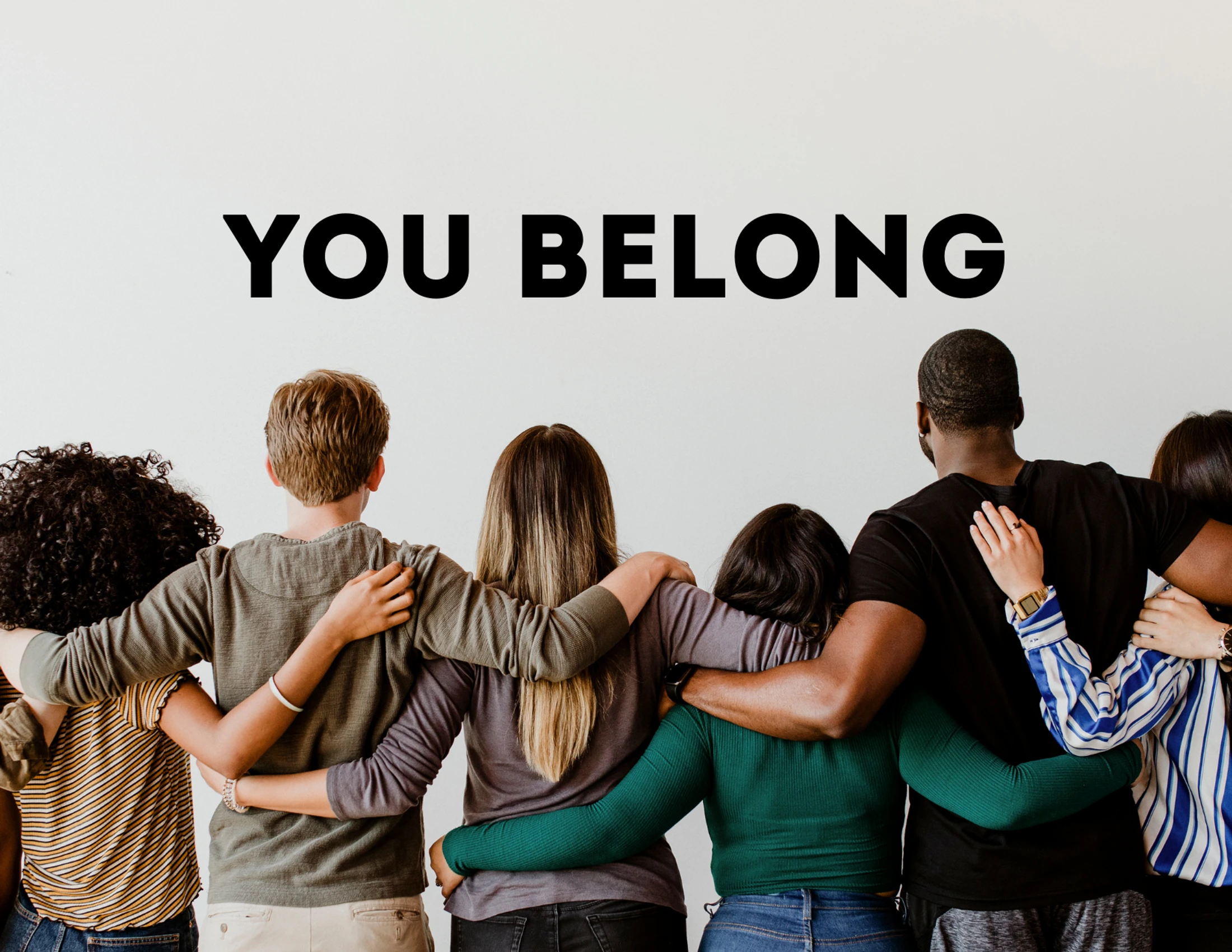
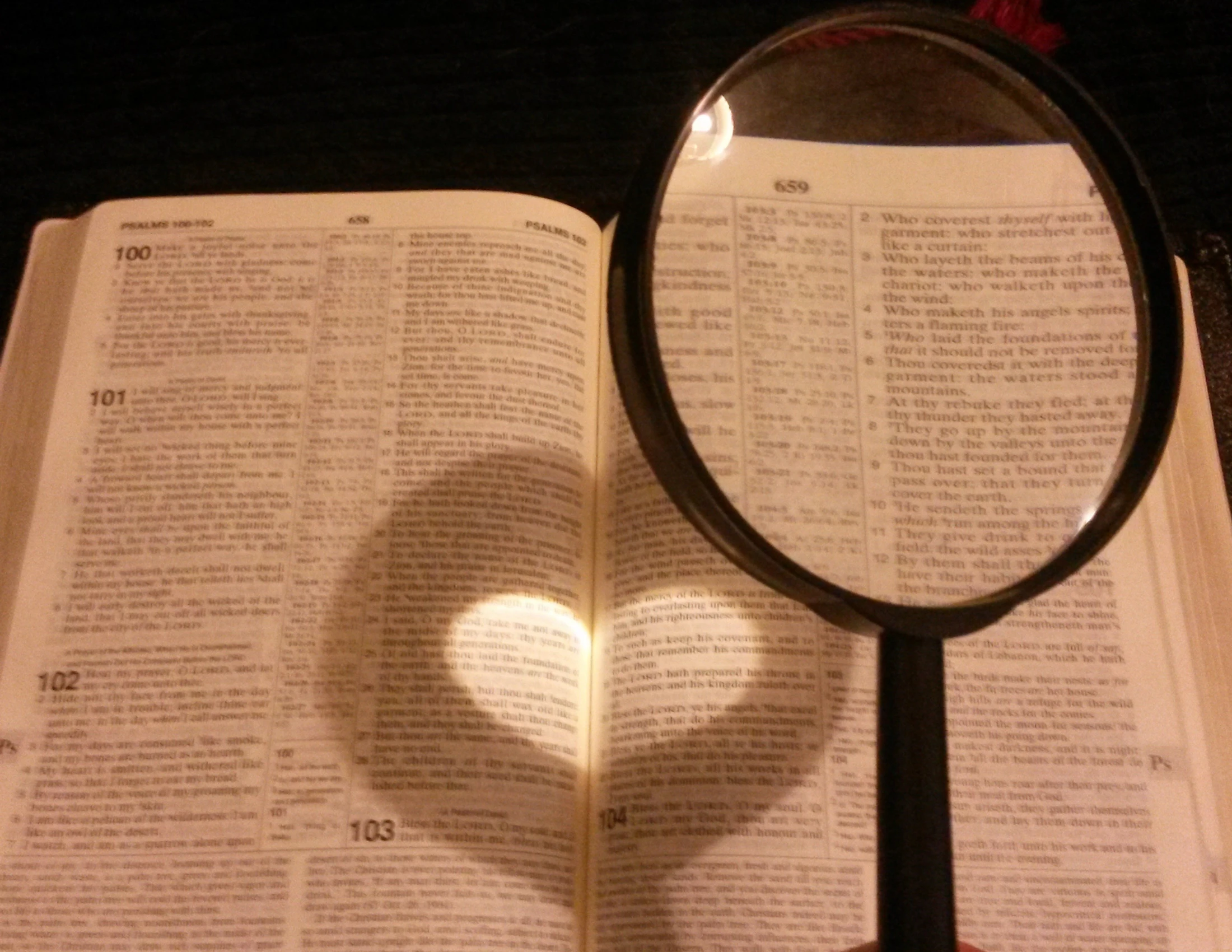





embracing diversity

building unity
glorifying God

Prayer begins not with perfect words but with an honest ache: "Lord, are you listening?" That's the heartbeat of our new series, Teach Us to Pray. Have you ever poured your heart out and heard only silence back? You wonder if God hears, if He cares, if He is even there, and sometimes the anguish in your soul feels louder than any answer. Yet Scripture is clear: God hears, He cares, and He is there, even when He is quiet. In Luke 11:1, the disciples watched Jesus pray and finally asked the one thing they never asked Him to teach them about preaching or miracles: "Lord, teach us to pray." Jesus answered not with a technique but with a relationship, giving us the Father's name to hallow, the Father's kingdom to seek, the Father's bread to trust for today. This series will walk through Jesus' teaching on prayer, not as a performance to impress God, but as a posture that aligns our will with His. As we ask Jesus to teach us, we will discover prayer is less about getting God to listen to us, and more about learning to live attuned to Him, especially in the quiet where He is working.
Prayer is learned by praying. Here are four ways to live the series this month:

This month we’re launching a new series called Did You Know? Each week we’ll share a unique, interesting, and meaningful fact from history, culture, or everyday life — and we’ll always bring it back to Christ. Our goal is simple: to see how God is at work in every story, and to be reminded of our One Accord mission to walk together in faith, unity, and love. Join us each week as we learn something new and discover a deeper reason to live it out together.
We begin with the celebration of Jackie Robinson Day, a Georgia native whose faith and courage broke barriers and built bridges:
__largepreview__.webp)
Jackie Robinson: Faith, Courage, and One Accord
A native of Cairo, Georgia, Jack Roosevelt Robinson was a man whose incredible courage was deeply rooted in his faith. He broke the color barrier in Major League Baseball on April 15, 1947, a date now celebrated annually as Jackie Robinson Day, when every player in the league wears his iconic number, 42. On that historic day, he took the field with a promise to Dodgers manager Branch Rickey—a fellow Methodist—that he would not retaliate against the intense racism he would face. To endure the constant taunts and threats, Robinson knelt in prayer every night, asking for the strength to turn the other cheek. His quiet fortitude inspired acts of unity, like when his teammate Pee Wee Reese famously put an arm around his shoulders on the field, silencing a hostile crowd. This commitment to equality didn't end with his baseball career. Robinson became a pivotal leader in the Civil Rights Movement, working alongside Dr. Martin Luther King Jr. and co-founding the Freedom National Bank in Harlem to empower the Black community.
His life shows us what it looks like to put faith into action for the good of others. As we honor him this April 15th, here are a few meaningful facts that you might not know:

The Orthodox Easter Celebration
Orthodox Easter, called Pascha in the East, celebrates the very same resurrection of Jesus we celebrate in the USA, but it is dated by a different calendar and a deeper Old Testament memory. In 325 AD the Council of Nicaea set the rule for the whole Church that Easter would be the first Sunday after the first full moon on or after the March equinox. When Pope Gregory XIII introduced the Gregorian calendar in 1582 to fix an 11-minute yearly error in Julius Caesar's Julian calendar, most Western churches, including ours, adopted it. Many Orthodox churches kept the Julian calendar, which now runs 13 days behind the Gregorian. To preserve the biblical timeline, Orthodox tradition also keeps Pascha always after the Jewish Passover, so the Last Supper, Cross, and Resurrection stay in their original order. Because of both reasons, Western Easter usually falls between March 22 and April 25, while Orthodox Easter usually falls between April 4 and May 8. In 2026 that means we celebrate on April 5, and our Orthodox brothers and sisters celebrate a week later on April 12.
The name Pascha itself comes from the Greek for the Hebrew Pesach, or Passover, the feast that remembers Israel's liberation from Egypt through the blood of a lamb. The Church took that word on purpose, because Jesus shared a Passover meal at the Last Supper and then became the Lamb, so His resurrection is our new exodus, not from Pharaoh but from sin and death. That theology shapes the celebration: families dye eggs deep red for Christ's blood, crack them together while proclaiming "Christ is risen," and share roast lamb in honor of Jesus, the Lamb of God. More than 250 million Orthodox Christians around the world keep Pascha this way each year
Even with different calendars, East and West proclaim one Lord, one faith, one resurrection. Pascha reminds us that our one accord unity is not built on the same date, but on the same empty tomb, and the same Lamb who sets us free.
[resource link]


Below are a few of the questions and/or concern that you may have about ministry. After reviewing the section, if you have any additional questions and/or concerns, please don't hesitate to contact us at OneAccord@dbc.org
Reconciliation between people is important because it is important to God. In Ephesians 2, we see that Jesus broke the wall of hostility between Jews and the Gentiles. His purpose was to create in Himself one body, from two very different and distinct ethnic groups. God wants us to be vertically reconciled to Him and horizontally reconciled to others. And as in all cases, reconciliation requires intentional conversations about difficult issues. There is no better place to have difficult conversations than in the Church, a community called to love one another.
DBC is a welcoming church and most people who visit here say they feel welcomed at the first point of contact. But integrating into our church can be difficult. We’ve heard this from a variety of people. Finding ways to welcome and receive all people in our increasingly diverse community is critical to our mission. Our purpose for this specific ministry is to build a culture of hospitality in our church for everyone.
It is good and right to see people based on their character and as God’s creation, made in his image. But God created diverse cultures. In Revelation 7:9, John says “After these things I looked, and behold a great multitude which no one could number, of all nations, tribes, peoples, and tongues, standing before the throne…”. The implication is that John saw diversity, and that is OK. We are all different and we can value the diversity this brings. Growing in our understanding of others can help us as a church fulfill our mission to make disciples of all nations so that the vision of Revelation 7:9 is fulfilled!
We're excited to hear that you're interested in joining our One Accord ministry! Here's what you need to know:
OA Leadership Team Members:
OA Team Members:
Benefits of Joining:
Get Involved:
If you're interested in joining our team, please email us at OneAccord@dbc.org. Let us know how you'd like to contribute and we'll be in touch!


One Accord strives to support DBC in growing a multi-ethnic church that welcomes, reflects, and serves our community. Our vision is to foster a church where all races, people, tribes, and languages come together before the throne
Questions? Send us an email
Admin Office hours: Monday - Thursday, 10:30 am - 3:30 pm